
Knowledge Post
Client Stories

Outbound calling campaigns often struggle with low call answer rates, especially when marketing and operational calls share the same phone numbers. We saw a company stuck at just 12% answered calls on their campaigns, while appointment confirmations hovered around 32%. By separating marketing phone numbers and adding caller verification with Transunion Branded Display, their answered calls shot up to 67% on campaigns and over 83% for operations. Here's how you can apply these marketing strategies to boost your call performance improvement and drive campaign success.
Your phone is likely your most direct connection to customers. When they don't pick up, your message never reaches them - no matter how good it is.
Most businesses make a critical mistake with their phone strategy: using the same numbers for everything. This creates confusion for customers and damages your answer rates.
Look at your current setup. Which phone numbers do you use for sales calls? For appointment reminders? For customer service? Many companies we work with can't answer these questions because they've never tracked this information.
Start by pulling call logs from the last 30 days. Sort them by purpose (marketing vs. operational) and check the answer rates for each number. You'll likely spot patterns - some numbers perform much worse than others.
The numbers with the lowest answer rates are probably being flagged as spam by carriers or blocked by customers. This happens when you use the same number for cold calls and important service updates. Customers who block your marketing calls will miss critical information too.
The fix seems simple but makes a huge difference: use different phone numbers for different purposes. This separation creates clear boundaries that protect your critical communications.
Start by creating three number groups: marketing outreach, customer service, and operational messages (like appointment reminders). Never mix these categories again. When you call about an appointment, use only numbers from your operational pool.
This separation works because customer behavior differs based on call purpose. Someone might ignore marketing calls but eagerly await their appointment reminder. When you mix these purposes, all your calls get treated like the least desirable category.
For small businesses, this might mean having just three dedicated numbers. Larger operations might need number pools for each department or campaign type. The key is maintaining strict boundaries between these groups.
Phone carriers track call patterns by number. When you keep your operational numbers "clean" of marketing activity, they maintain better reputations with the carriers' spam detection systems.
Once you've separated your numbers, you'll see immediate improvements, but that's just the start. The next step is making those numbers recognizable and trustworthy to your customers.
Most people won't answer calls from unknown numbers. This creates a major challenge for businesses making first-time calls. The solution is to make your number instantly recognizable before they even pick up.
Start by maintaining consistent numbers for each purpose. When customers see the same number for appointment reminders, they learn to expect and answer those calls. This consistency builds recognition over time.
Next, make sure your business name appears properly in caller ID systems. Many businesses skip this step, appearing as "unknown caller" or just a phone number. This simple fix can boost answer rates by 15-25% with minimal effort.
For maximum impact, tell customers which numbers you'll be calling from. Include this information in your welcome materials, emails, and text messages. When customers expect your call, they're much more likely to answer.
The numbers tell the story - businesses with verified calls see answer rates up to 5 times higher than those without. Let's see why this matters so much.
Phone scams have made people rightfully cautious about answering calls. Caller verification breaks through this distrust by proving your calls are legitimate.
Verification works like a digital signature for your calls. When you place a call through a verified system, the recipient's phone carrier checks that you're really who you claim to be. This stops scammers from pretending to be your business.
The FCC has made fighting call spoofing a major priority through their STIR/SHAKEN framework. This system creates a chain of trust from your phone system to the customer's device. When your calls comply with this framework, they're more likely to reach customers without being blocked.
Setting up verification requires working with your phone service provider. Most major providers now offer verification services that comply with these standards. The process typically takes 1-2 weeks and requires proof that you own your business and phone numbers.
Once verified, your calls receive special treatment from carriers. They're less likely to be marked as spam and more likely to display your full business information. This small change often boosts answer rates by 30-50%.
Beyond basic verification, Transunion Branded Display takes your calls to the next level with rich information that builds instant trust with customers.
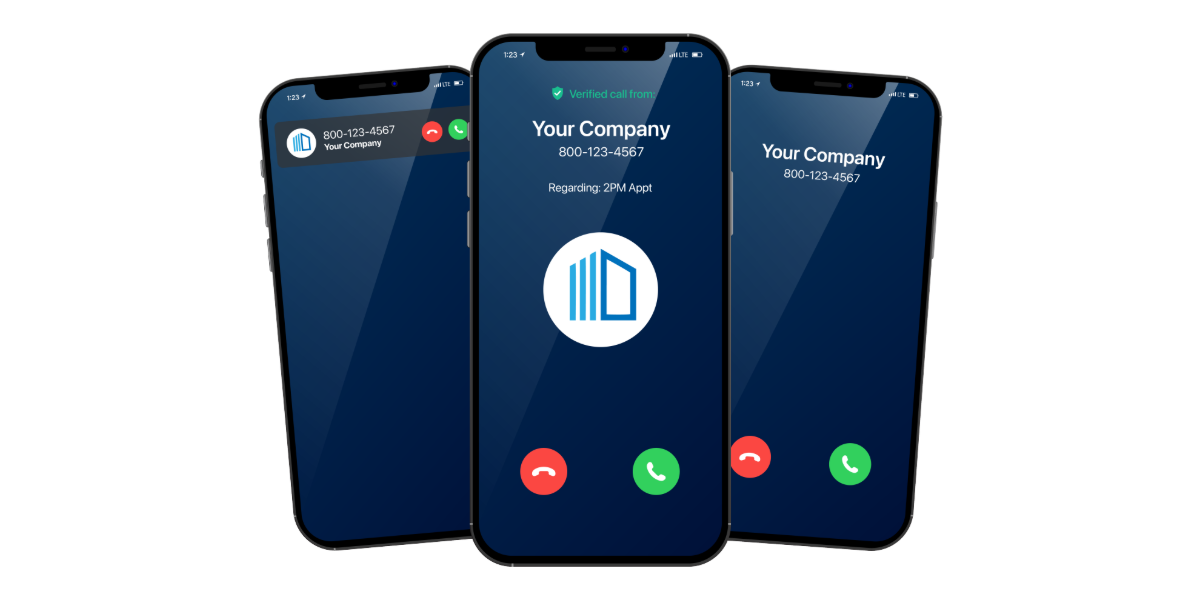
This service displays your full business name, logo, and reason for calling directly on the customer's phone screen. Instead of seeing just a number, they see a professional branded display that explains why you're calling before they answer.
The impact is dramatic. Our client saw their marketing call answer rates jump from 12% to 67% after implementing this system. Their operational calls improved even more dramatically, reaching 83% answer rates from a previous 32%.
The system works by connecting your phone system to Transunion's verification network. When you place a call, Transunion confirms your identity and passes this rich information to the recipient's phone. The entire process happens in milliseconds.
Setting up Branded Display requires working with both your phone provider and Transunion. The service works with most major business phone systems and can usually be implemented within 2-4 weeks. The cost varies based on call volume but typically pays for itself within the first month through improved contact rates.
Your initial improvements are just the beginning. The businesses that maintain high answer rates take a systematic approach to call management.
Tracking your call performance gives you the data needed to make smart adjustments. Without this information, you're working in the dark.
Start by setting up basic tracking for each number in your system. Record answer rates, call duration, and conversion rates (whether the call achieved its purpose). Review this data weekly to spot problems early.
Watch for numbers that show declining performance. This often indicates that a number is being used incorrectly or has been flagged by carriers. When you spot a declining number, remove it from rotation for 30-60 days to allow its reputation to recover.
Pay attention to time patterns in your answer rates. Most businesses find that certain times of day produce much better results. For our client, morning calls between 9-11 AM had nearly double the answer rate of afternoon calls. By shifting their call schedule to these peak times, they further improved their overall performance.
Test different caller ID displays to see what works best. Some customers respond better to your company name, while others might prefer seeing a department name or service type. Small A/B tests can reveal big differences in customer response.
Improving your call answer rates creates a cascade of benefits throughout your business that go far beyond just reaching more people.
First, your sales team becomes more productive. When answer rates jump from 12% to 67%, your team makes 5 times more connections with the same number of calls. This means more sales without increasing staff or call volume.
Your customer satisfaction scores will climb too. When customers receive important calls about their appointments or orders, they feel better served. Missing these calls creates frustration and service problems that damage your reputation.
The cost savings can be substantial. Many businesses compensate for low answer rates by making excessive calls. When your efficiency improves, you can reduce your total call volume while reaching more customers. This cuts phone costs and allows your team to focus on quality conversations rather than quantity.
Perhaps most importantly, adding rich call content builds trust with your customers. When they see your brand and call purpose on their screen, it creates a professional impression that carries through to the conversation. This trust translates to higher conversion rates and better customer relationships.
The businesses that master these techniques don't just improve their call metrics - they transform their entire customer communication strategy. By making every call count, they build stronger connections that drive growth across all channels.